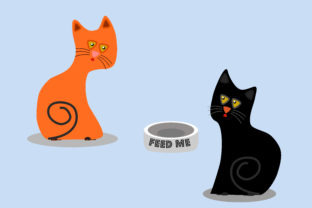
The Ultimate Guide to Cat Vector Illustrations for Creatives
Why Vector Graphics Are a Game-Changer for Your Projects
If you work in design, marketing, or content creation, you understand the constant hunt for high-quality assets that don't lose their edge when you scale them up. This is where Cat Vector Illustrations come into play. Unlike raster images (like standard JPGs or PNGs) that pixelate when enlarged, vector files—specifically the .eps file format—rely on mathematical equations to draw lines and curves. This means you can take a single vector cat illustration and blow it up to fit a billboard or shrink it down for a favicon without losing a single ounce of detail. For entrepreneurs and small business owners, this flexibility is invaluable. You aren't just buying a picture; you are investing in a scalable design asset that adapts to your needs, whether you are printing business cards or wrapping a delivery van.
The visual appeal of a well-crafted cat vector is distinct. It strips away the photographic noise and focuses on form, color, and personality. A good vector cat isn't just a silhouette; it captures the essence of feline attitude—the arch of a back, the alertness of the ears, or the playful swish of a tail. These illustrations often utilize clean lines and bold color palettes, making them perfect for modern typography and brand identity projects. When you choose a premium font or a high-quality illustration set, you expect consistency. Cat vector sets usually come with various poses and styles, allowing you to maintain a cohesive visual language across different platforms. Whether you need a minimalist outline for a sophisticated look or a fully colored character for a playful brand, the vector format ensures that the visual integrity remains intact.
Strategic Applications: From Brand Identity to Editorial Design
Understanding where to deploy these assets is just as important as choosing them. For logo design, a vector cat is a strong contender for pet-related businesses, veterinary clinics, or even tech startups looking for a "cat burglar" or agile mascot concept. Because vectors allow for easy color manipulation, you can tweak the illustration to match your specific brand identity palette instantly. In packaging design, these illustrations can create shelf appeal that pops. Imagine a cat food brand or a boutique coffee shop using a stylized cat vector on their packaging; it immediately communicates a vibe—be it luxurious, quirky, or organic—before the customer even reads the text.
For those in editorial design and publishing, Cat Vector Illustrations are lifesavers for breaking up text-heavy pages. They work beautifully as spot illustrations in magazines, blog headers, or chapter dividers in books. Unlike stock photography, which can sometimes feel generic, a stylized vector adds an artistic touch that feels curated. Furthermore, in the realm of web design and social media graphics, load times matter. Vector-based formats (often converted to SVG for web) are lightweight and crisp on high-resolution Retina screens. A creative font paired with a sharp vector graphic creates a dynamic visual hierarchy that guides the viewer's eye exactly where you want it to go.
Mastering Font Pairings and Visual Hierarchy
A cat illustration rarely stands alone; it usually needs to communicate alongside text. This is where the interplay between imagery and typeface becomes critical. If your cat vector has a lot of curves and movement, you might pair it with a geometric sans serif font to create contrast and stability. Conversely, if the illustration is static and minimalist, a flowing script font or a handwritten font can add warmth and personality. The goal is to create a dialogue between the image and the words. For instance, using a bold display font for a headline above a detailed cat vector can anchor the design, making it feel authoritative yet approachable.
When evaluating project fit, consider the "personality" of the asset. Is the cat vector realistic or cartoonish? A realistic vector might pair better with a classic serif font for a sophisticated, editorial feel, perhaps for a veterinary journal or a pet insurance brochure. A cartoonish, playful vector works wonders with rounded sans-serifs or bubbly scripts for children’s books or party invitations. Don't be afraid to test these font pairings early in your process. Place your text next to the .eps file and zoom in. Check the kerning and leading against the illustration's negative space. Good modern typography isn't just about the letters; it's about how the letters coexist with the visual elements surrounding them.
Practical Workflow: Files, Licensing, and Execution
Before you finalize your purchase or download, you need to scrutinize the technical details. A professional asset package usually includes an .eps file for vector editing software like Adobe Illustrator, alongside high-resolution .jpg files for quick use in presentations or social media posts. The EPS format is your workhorse; it allows you to ungroup elements, change colors, and remove parts of the illustration that don't fit your layout. Always check if the commercial font or illustration license covers your intended use. Most standard licenses cover web and print, but if you plan to use the design on merchandise for resale (like t-shirts or mugs), you often need an extended license. Reading the fine print protects your business from legal headaches down the road.
Finally, treat these illustrations as part of your broader design assets toolkit. Just as you would test a premium font across different backgrounds, test your cat vector on light and dark modes. Ensure the lines hold up when printed in grayscale. By integrating Cat Vector Illustrations thoughtfully, you move beyond generic stock imagery and start building a recognizable, professional visual identity that resonates with your audience. It’s not just about finding a cute cat picture; it’s about finding a versatile tool that elevates your creative output.