Unleashing Creativity with Colorful Wildflowers Illustrations
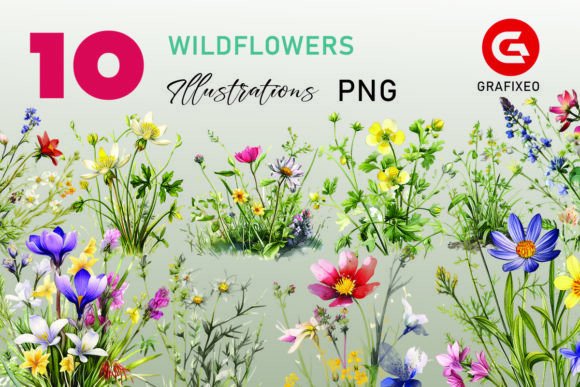
There is a specific kind of energy that comes from a hand-painted botanical. It’s organic, slightly imperfect, and full of life. When you bring Colorful Wildflowers Illustrations into your creative toolkit, you are importing that raw, natural vitality directly into your digital workspace. This collection is not just a set of generic flowers; it is a curated suite of 10 distinct watercolor clipart pieces designed to bridge the gap between traditional art and modern design needs. Whether you are a graphic designer looking for texture, a scrapbooker seeking authenticity, or a small business owner aiming to soften your brand’s visual identity, these assets offer a versatility that rigid vector graphics simply cannot replicate.
The Organic Appeal of Watercolor Clipart
Modern typography and clean lines are essential for readability, but they can sometimes feel sterile. This is where the Colorful Wildflowers Illustrations set changes the dynamic. The visual characteristics of these assets are defined by their fluid edges, wet-on-wet blending, and the natural "bloom" of watercolor pigment. You will notice the paper texture showing through, which adds a tactile quality to digital designs. This style moves away from the hard, plastic look of 3D rendering and embraces a more human, artistic personality.
The appeal lies in its imperfection. In a world of pixel-perfect vector grids, the soft washes of these wildflowers provide a visual resting place for the eye. They act as excellent background elements that don't compete with foreground text, or as focal points that draw the viewer in with their intricate, hand-painted details. The "personality" of this set is whimsical yet sophisticated, making it suitable for projects ranging from children's party invitations to high-end boutique branding.
Strategic Applications for Designers and Brands
Understanding where to deploy Colorful Wildflowers Illustrations is key to maximizing their impact. For brand identity, these illustrations are powerful tools for businesses in the wellness, beauty, wedding, or artisanal food sectors. Using them in packaging design immediately signals that a product is natural, handcrafted, or eco-conscious. Imagine a coffee bag or a soap box wrapped in these delicate florals; it elevates the perceived value of the product inside.
In the realm of editorial design and web design, these assets solve the common problem of "negative space." Instead of leaving margins or headers blank, designers can use these watercolor elements to frame content without overwhelming it. For social media graphics, where stopping the scroll is the goal, a vibrant wildflower illustration can break up the monotonous grid of text-heavy posts. They are particularly effective for Instagram stories, Pinterest pins, and blog headers where visual storytelling is paramount.
Practical Integration Tips
To get the most out of this set, consider how the illustrations interact with your typography. Because the edges of watercolor art are soft, pairing them with a sans serif font often creates the best contrast. The clean geometry of the typeface anchors the fluid nature of the illustration.
- Invitations and Stationery: Use the clipart as corner accents or central motifs for wedding suites and baby showers.
- Scrapbooking: Layer the images behind photos to create depth and frame your memories.
- Digital Marketing: Use the florals as "blobs" of color behind testimonials or call-to-action buttons to draw the eye.
- Mercantile Goods: Apply them to stickers, planner covers, or digital download backgrounds.
Enhancing Visual Hierarchy and Audience Engagement
One of the most underrated aspects of using premium assets like Colorful Wildflowers Illustrations is how they influence visual hierarchy. In logo design, for example, a small floral element can soften the impact of a bold display font, making a brand feel more approachable. It guides the viewer’s eye, signaling where to look first and what feeling to associate with the content.
When it comes to audience engagement, emotional resonance is everything. Flowers universally evoke feelings of joy, growth, and nature. By incorporating these watercolors, you are subliminally communicating those values to your audience. This is particularly useful for content creators and bloggers who need to establish a consistent "mood" across their platforms. Consistency in visual assets builds recognition; when your audience sees a specific style of watercolor floral, they will begin to associate it with your unique voice.
Technical Considerations for Seamless Workflow
As a designer, I appreciate when assets are ready to use without hours of masking. This set comes in PNG format, which means the backgrounds are removed. This is crucial for layering. You can easily place these wildflowers over textured backgrounds, photographs, or solid colors without the "white box" effect.
- Color Grading: Even though they are pre-colored, you can apply "Multiply" blending modes in Photoshop or Procreate to integrate the white highlights seamlessly into your background texture.
- Scalability: While PNGs are raster images, ensure the resolution is high enough (300 DPI) for print projects like packaging design to avoid pixelation.
- Commercial Use: Always verify the licensing. For commercial fonts and assets, ensure the license covers the volume of physical or digital goods you intend to sell.
Building a Cohesive Aesthetic
Finally, the true power of Colorful Wildflowers Illustrations is realized when they are part of a larger system. Don't just use one flower once; use the set to create a language. Perhaps the large bloom is for headers, while the smaller buds are for bullet points or separators. This creates a rhythm in your design that feels intentional and professional.
Whether you are designing a wedding menu, a corporate wellness brochure, or a set of digital planner stickers, these illustrations provide the color and texture needed to make your work stand out. They bridge the gap between the digital and the natural world, offering a touch of organic beauty that resonates deeply with viewers. By treating these assets not just as decorations but as integral components of your visual strategy, you ensure that your projects are not only seen but felt.